
Destinations
Four worlds. Four different ways to break a machine.
The Moon, Mars, Venus and the inner belt each set their own rules. Gravity, dust, heat and delay decide what the hardware has to be.
The numbers that matter
Everything about a machine follows from these.
Engineers do not pick a destination because it is inspiring. They pick it because of what the physics allows, and then the inspiring part follows.
A day lasts 29.5 Earth days, so a fourteen-day night has to be survived, not waited out. Regolith is sharp, statically charged and gets into everything. First stop, and the hardest teacher.
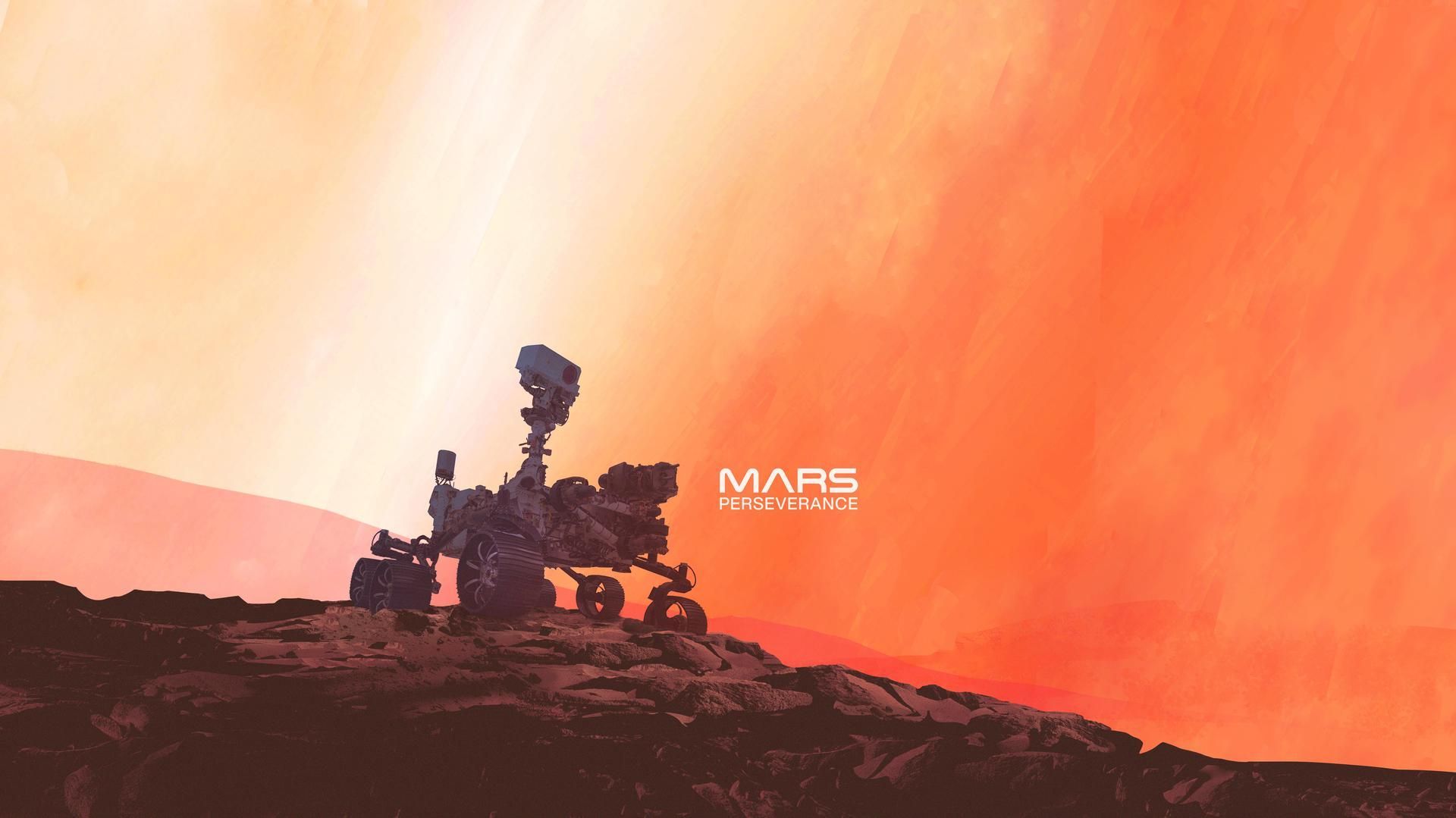
A day almost exactly like ours at 24 hours 37 minutes. Enough atmosphere to carry dust storms and not enough to breathe. Round-trip radio runs from four to twenty-four minutes, so machines have to think for themselves.
Gravity almost like home, and a surface at about 465 degrees Celsius under ninety-two atmospheres. Nothing we have built has survived down there for more than a couple of hours. The cloud tops are another matter.
Ceres alone holds more fresh water than every river and lake on Earth. Gravity so slight that anchoring matters more than digging, and a machine that pushes too hard simply launches itself.
The Moon
Three days away, and unforgiving.
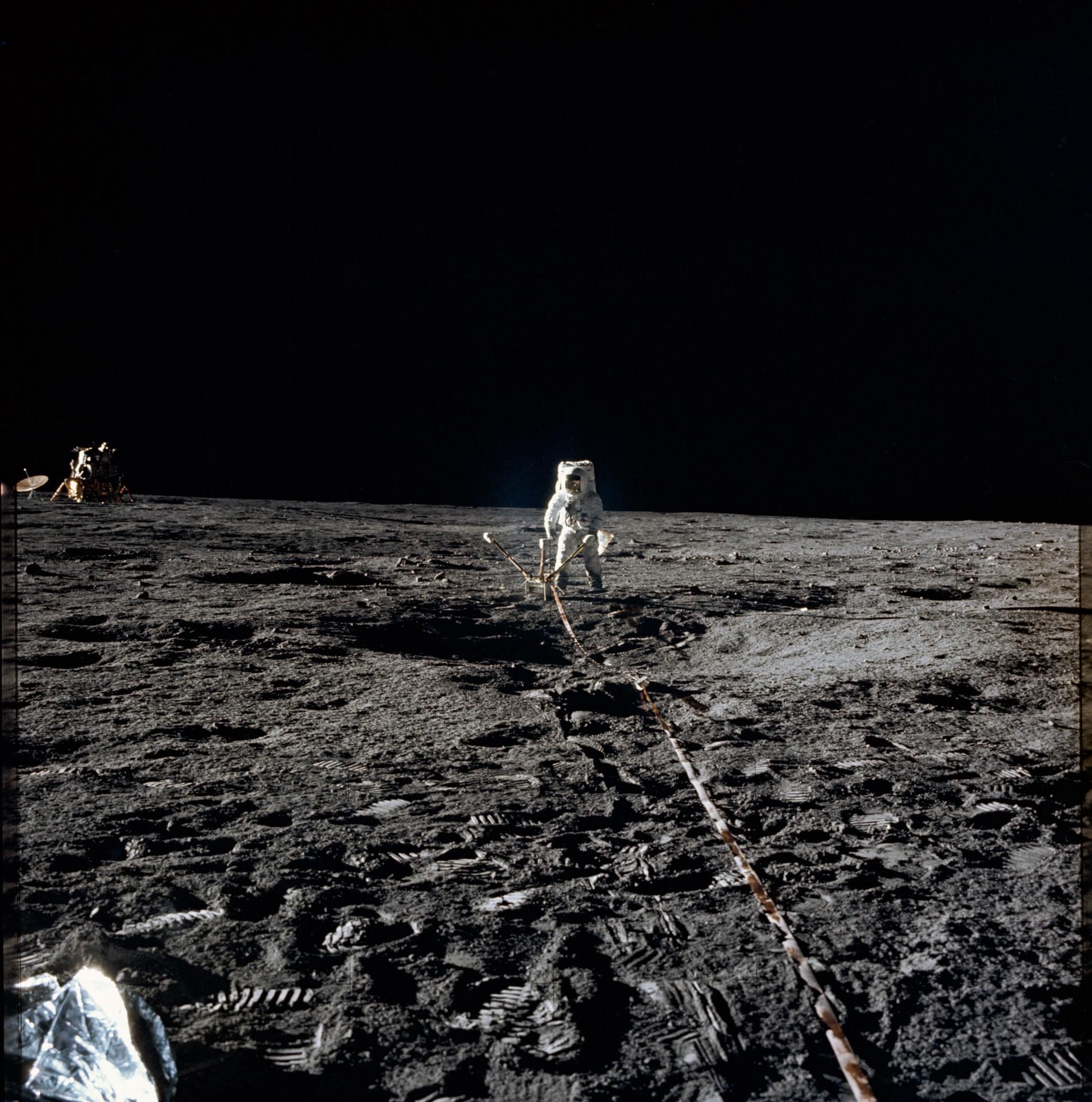
The Moon is the proving ground, and it is a harsh one.
Its regolith is not sand. It is fractured rock ground into jagged glass by billions of years of micrometeorite impacts, with no weather to round the edges off. It works its way into seals, bearings and lungs, and it clings to everything because it holds a static charge.
The day lasts 29.5 Earth days, which means fourteen days of darkness at roughly minus 170 degrees Celsius. That is not a night you wait out. It is a period every system has to survive on stored power.
At one sixth of Earth gravity, a digging machine that pushes too hard picks itself up off the ground. Traction, not power, is the engineering problem — which is exactly why our first hardware is a wheel.
Mars
Far enough that machines think for themselves.
A Martian day is 24 hours and 37 minutes, which is almost cruel in how close it is to ours.
There is an atmosphere, but at less than one percent of Earth's pressure it is good for very little except carrying dust storms that can cover the planet and block the sun for weeks.
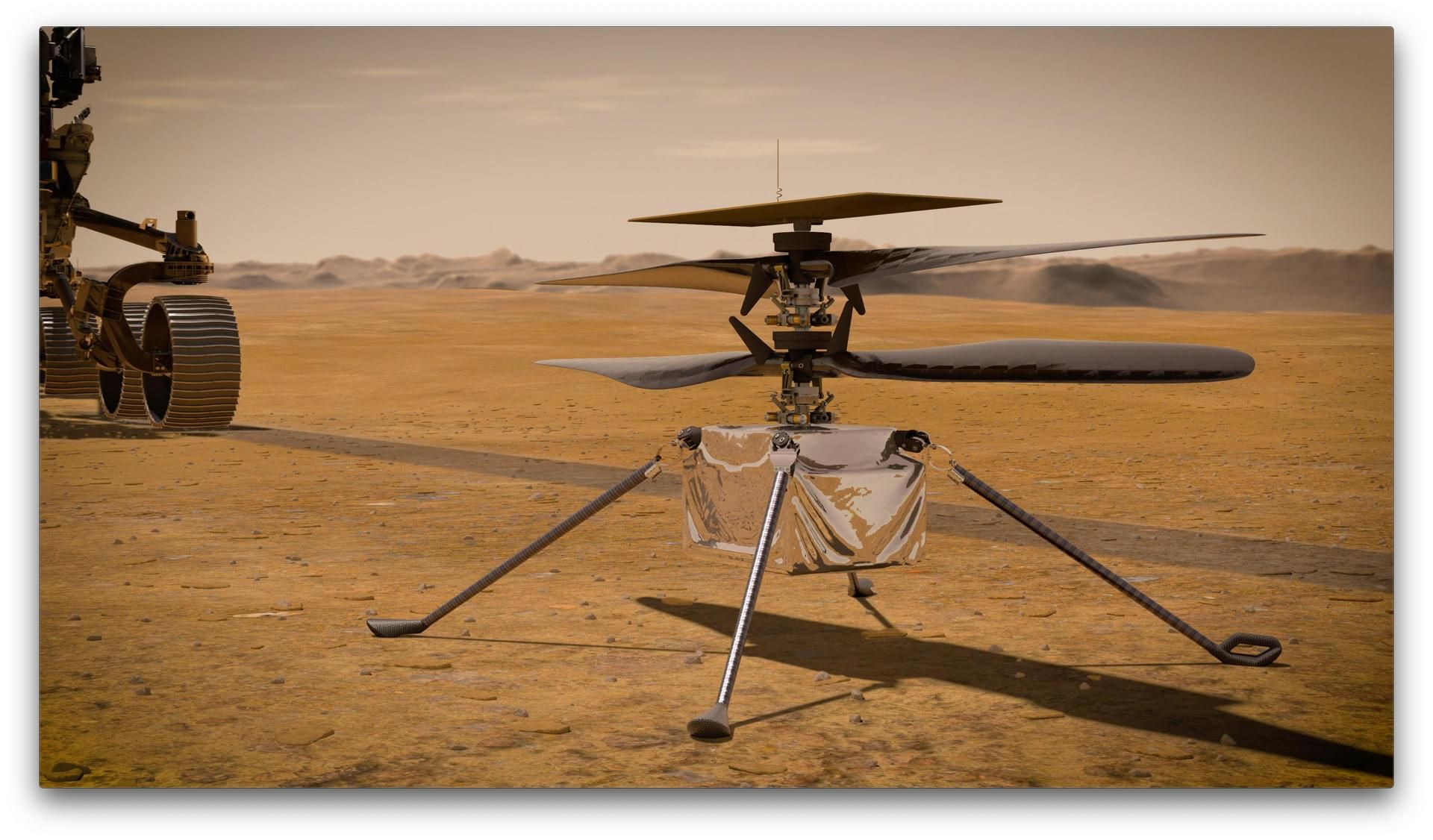
The distance is the real design constraint. A radio round trip runs from about four minutes at closest approach to twenty-four at the far end of the orbit. You cannot joystick a digger through that. Equipment on Mars has to make its own decisions and be right about them.
Venus
The one everybody writes off.
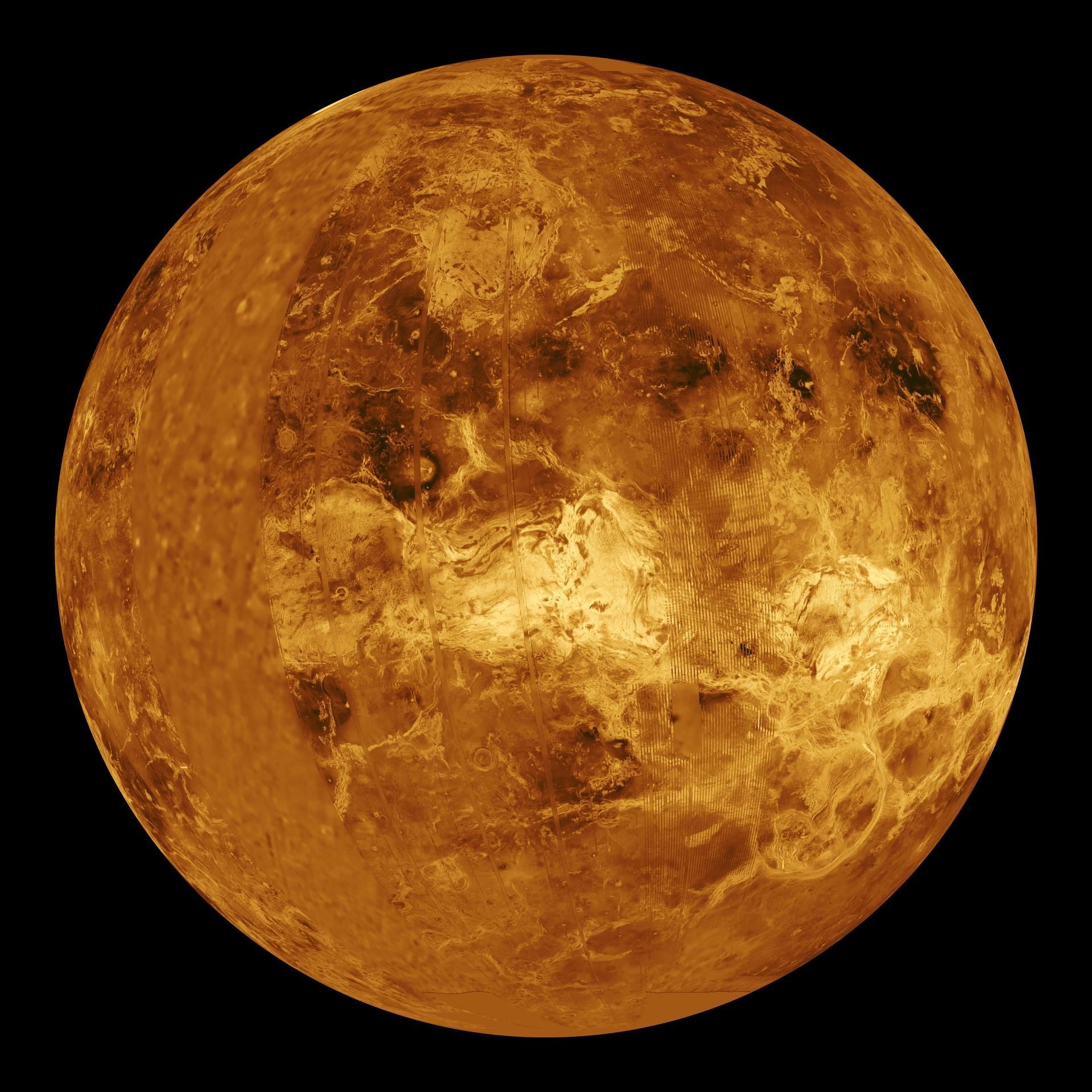
Venus has almost the gravity of home — 0.90 g — and just about everything else is trying to kill you.
The surface sits at around 465 degrees Celsius under ninety-two atmospheres of pressure, hot enough to melt lead and heavy enough to crush a submarine hull. Nothing humanity has landed there has lasted more than a couple of hours.
But fifty kilometres up, the cloud tops are close to room temperature at close to Earth sea-level pressure. It is the most Earth-like environment in the solar system outside Earth, and it is floating above the least. Nobody has worked out what to do with that yet.
The inner belt
Where the material actually is.
The asteroid belt is far emptier than the films suggest and far richer than most people realise.
Ceres alone is thought to hold more fresh water than every river and lake on Earth combined. Metallic bodies out there carry iron, nickel and platinum-group metals in concentrations no terrestrial mine will ever see.
Gravity is the twist. On a small body it is so slight that anchoring matters more than digging — push down too hard and the machine launches itself into orbit around the rock it was trying to mine. Everything has to be rethought from the ground up, and there is barely any ground.
Reaching for the stars
Somewhere on that list is where this ends up.
We do not know which one yet. Neither does anybody else. The work is the same either way: build the machines, and be ready.